add share buttonsSoftshare button powered by web designing, website development company in India

Private School Seattle Review: From Middle School to High School Excellence

Generated Image

Choosing a private school in Seattle can be a pivotal decision for families seeking a seamless transition from middle school through high school. The right environment not only nurtures academic growth but also supports personal development, extracurricular involvement, and college readiness. This review examines the key elements that define a high-quality private education experience in the Seattle area, focusing on curriculum continuity, faculty expertise, campus resources, and community engagement. By understanding these factors, parents and students can make an informed choice that aligns with long-term educational goals.

Curriculum Continuity from Middle to High School

A cohesive curriculum that bridges middle school and high school is essential for maintaining academic momentum. Effective programs typically feature:

  • Progressive learning objectives that build on foundational skills each year.
  • Integrated STEM and humanities pathways that allow students to explore interdisciplinary connections.
  • Advanced Placement (AP) or International Baccalaureate (IB) options introduced in the upper grades to prepare for college-level work.

Students benefit from a clear academic roadmap that reduces redundancy and encourages deeper mastery of subjects. For families interested in detailed curriculum frameworks, Read more about this topic.

Faculty Excellence and Student Support

Highly qualified teachers who are committed to individualized instruction play a critical role in student success. Key attributes of strong faculty include:

  • Advanced degrees and ongoing professional development.
  • Small class sizes that enable personalized feedback.
  • Mentorship programs that connect students with academic and career advisors.

Effective support systems extend beyond the classroom, offering counseling, tutoring, and enrichment opportunities. To explore how faculty qualifications impact outcomes, Learn more in this detailed guide.

Campus Facilities and Resources

Academic Spaces

Modern classrooms equipped with technology, science labs, and collaborative work areas foster an engaging learning environment. Features to look for include:

  • State-of-the-art laboratories for chemistry, biology, and physics.
  • Media centers with digital resources and research databases.
  • Flexible learning spaces that support project-based instruction.

Arts and Athletics

A well-rounded education also emphasizes creative and physical development. Quality private schools typically provide:

  • Dedicated art studios, music rooms, and performance venues.
  • Comprehensive athletic facilities, including fields, gyms, and swimming pools.
  • Opportunities for inter-school competitions and showcases.

Information on facility standards and recent upgrades can be found by Explore further insights here.

Extracurricular Programs and Leadership Opportunities

Beyond academics, extracurricular activities cultivate leadership, teamwork, and social skills. Effective programs often feature:

  • Clubs ranging from robotics and debate to environmental stewardship.
  • Student-run organizations that encourage initiative and governance experience.
  • Community service partnerships that connect learners with local initiatives.

These experiences are valuable for college applications and personal growth. For a deeper look at extracurricular integration, Find additional information here.

College Preparation and Outcomes

Preparing students for post-secondary success involves more than test scores. Comprehensive college counseling programs typically include:

  • Individualized college planning sessions starting in early high school.
  • Workshops on essay writing, interview techniques, and financial aid navigation.
  • Relationships with university admissions officers and alumni networks.

Tracking college acceptance rates and scholarship awards provides insight into a school’s effectiveness. Detailed statistics and guidance resources are available when you Read more about this topic.

Community Culture and Values

A supportive community fosters a sense of belonging and shared purpose. Elements that contribute to a positive culture include:

  • Inclusive policies that respect diversity of background and thought.
  • Parent-teacher partnerships that encourage open communication.
  • Ethical frameworks that emphasize responsibility, integrity, and global citizenship.

Understanding the school’s ethos helps families gauge alignment with their own values. For further context on community engagement, Learn more in this detailed guide.

Conclusion

Evaluating a private school in Seattle requires a holistic view of academic continuity, faculty quality, facilities, extracurricular breadth, college readiness, and community culture. By focusing on these core areas, families can identify institutions that deliver consistent excellence from middle school through high school. The integration of rigorous curricula, supportive staff, and enriching environments creates a foundation for lifelong learning and achievement. Prospective students and parents are encouraged to explore each facet in depth, ensuring the chosen school aligns with both educational aspirations and personal values.


Emergency Lockout Services: 24 Hour Assistance for House Lockout Assistance

Generated Image

Being locked out of a home can be a stressful and potentially dangerous situation, especially when it occurs at night or during an emergency. Immediate, reliable assistance is essential to restore access safely and quickly. This article outlines the key aspects of 24-hour emergency lockout services, what homeowners can expect, and best practices for preparing for a lockout scenario.

Why 24-Hour Emergency Lockout Services Matter

Lockouts do not adhere to a convenient schedule. Whether a family member misplaces a key, a lock malfunctions, or a security system fails, the need for prompt entry can arise at any hour. Professional emergency services provide:

  • Rapid response times to minimize exposure to weather or unsafe environments.
  • Specialized tools that avoid damage to doors, frames, and existing hardware.
  • Qualified technicians trained in a variety of lock types, including smart locks and high-security cylinders.

For comprehensive information on the importance of round-the-clock support, Read more about this topic.

Typical Scenarios Requiring Immediate Assistance

Residential Lockouts

Common causes include lost or broken keys, lock jamming, and accidental lockout of children or elderly residents. Prompt entry is crucial to ensure safety and maintain peace of mind.

After-Hours Emergencies

Incidents that occur late at night, during holidays, or in extreme weather conditions demand a service that operates beyond standard business hours. A 24-hour provider ensures that help is just a phone call away.

Security Breaches

If a lock is forced or tampered with, immediate professional assessment can prevent further intrusion and restore the home’s security integrity.

Key Features of Professional Emergency Lockout Services

  • Verified Credentials: Technicians should hold proper licensing and insurance, guaranteeing accountability.
  • Transparent Pricing: Clear, upfront rates for emergency calls, travel, and labor help avoid surprise fees.
  • Non-Destructive Entry Techniques: Modern tools such as lock picks, bump keys, and decoding devices allow entry without damaging the door.
  • On-Site Assessment: Evaluation of lock condition and recommendations for repair or replacement.
  • Availability of Spare Keys: Some services can create a duplicate key on the spot, preventing future lockouts.

For a deeper dive into the standards that define quality emergency assistance, Learn more in this detailed guide.

Preparing for a Potential Lockout

Proactive measures reduce the likelihood of an emergency and improve response efficiency if a lockout occurs.

  • Keep a spare key in a secure, weather-proof lockbox near the entry.
  • Store contact information for a trusted 24-hour lockout service in an easily accessible location.
  • Consider smart lock solutions that allow temporary digital access codes.
  • Regularly inspect and maintain door hardware to prevent unexpected failures.

Guidelines on creating a lockout-ready plan can be found by Explore further insights here.

What to Expect During the Service Call

  1. Verification of Identity: Technicians will confirm the caller’s right to access the property.
  2. Arrival Time Estimate: Most providers give a window of 15-30 minutes for local calls.
  3. On-Site Inspection: The technician assesses the lock type and selects the appropriate entry method.
  4. Entry and Resolution: Using non-destructive tools, the door is opened, and any necessary repairs are performed.
  5. Post-Service Recommendations: Advice on improving lock security or obtaining spare keys.

For a step-by-step walkthrough of a typical emergency lockout response, Find additional information here.

Safety and Legal Considerations

While emergency lockout services are essential, it is important to ensure that the assistance provided respects legal boundaries:

  • Only authorized individuals should request entry; false claims can lead to legal repercussions.
  • Technicians must follow local regulations regarding lock manipulation and property access.
  • Homeowners should retain proof of ownership or tenancy when requesting service.

Conclusion

Emergency lockout services play a vital role in maintaining safety and accessibility for homeowners at any hour. By understanding the features of a reputable 24-hour provider, preparing for potential lockouts, and knowing what to expect during a service call, residents can mitigate stress and protect their property. Staying informed and proactive ensures that, should a lockout occur, help is readily available and capable of restoring entry without unnecessary damage.

Anime Gaming Wall Art Ideas for Modern Home Dcor Enthusiasts

Generated Image

Blending the vivid storytelling of anime with the immersive aesthetics of gaming creates a unique visual language that can transform any modern living space. For enthusiasts who appreciate both worlds, wall art becomes more than decoration, it serves as a statement of identity, a conversation starter, and a subtle nod to the narratives that shape everyday life. This guide explores curated ideas for integrating anime gaming wall art into contemporary home d??cor, offering practical tips that balance boldness with sophistication.

Understanding the Core Aesthetic

Before selecting pieces, consider the underlying themes that define anime-inspired gaming art:

  • Color Palette: High-contrast neon tones, pastel gradients, and muted earth shades can each set a different mood.
  • Composition: Dynamic poses, split-screen layouts, and pixel-style collages echo the energy of both mediums.
  • Scale: Large-format prints create impact, while a gallery wall of smaller pieces offers flexibility.

Choosing artwork that aligns with these elements ensures a cohesive look, whether the space leans toward industrial minimalism or cozy maximalism.

Curating a Balanced Gallery Wall

Mixing Formats and Frames

A well-planned gallery wall can showcase a range of gaming anime wall art without overwhelming the room. Consider the following approach:

  • Start with a focal piece, perhaps a 24-inch canvas featuring a beloved game protagonist.
  • Surround it with smaller 12-inch prints of iconic anime scenes.
  • Alternate matte and glossy frames to add texture.
  • Incorporate a single metallic or wood-finished frame for a subtle contrast.

Strategic Placement

Placement influences how the artwork interacts with furniture and lighting:

  • Above a sofa or media console: Keeps the visual line at eye level.
  • Flanking a gaming station: Reinforces the thematic focus without cluttering the workspace.
  • In a hallway or entryway: Offers an immediate impression of personal style.

Integrating Art with Modern D??cor Trends

Minimalist Settings

For spaces that favor clean lines, select gaming wall art with limited color bursts and simple silhouettes. Pair these prints with monochrome furniture and subtle accent lighting to let the artwork shine without competing with the room’s simplicity.

Industrial & Loft Aesthetics

Exposed brick, metal fixtures, and concrete floors create a gritty backdrop that complements bold, high-contrast pieces. Opt for large-scale anime wall art that incorporates metallic tones or cyber-punk motifs. A matte black frame can unify the industrial vibe while highlighting the vibrant imagery.

Scandinavian Warmth

Soft wood tones, neutral palettes, and natural light characterize Scandinavian interiors. Choose artwork that features pastel gradients or watercolor-style anime illustrations. When paired with light-colored furniture, the gaming anime wall decor adds a playful pop without breaking the serene atmosphere.

Practical Tips for Installation and Maintenance

  • Use proper mounting hardware: Heavy-weight canvases require wall anchors; lighter prints can be hung with picture hooks.
  • Maintain consistent spacing: A 2-3 inch gap between frames creates visual breathing room.
  • Protect from sunlight: UV-filtering glass or acrylic preserves color vibrancy over time.
  • Consider interchangeable displays: Magnetic frames or clip-systems allow seasonal swaps of favorite gaming wall art prints.

Where to Source High-Quality Anime Gaming Prints

Finding artwork that balances fidelity to the original source material with premium printing standards is essential. Reputable online collections often provide:

  • Gicl??e or archival-grade inks for long-lasting color.
  • Canvas, fine art paper, and metal options to suit different textures.
  • Curated selections that respect licensing and artistic integrity.

Exploring dedicated storefronts that specialize in anime gaming wall art can streamline the decision-making process and ensure each piece meets professional quality expectations.

Final Thoughts

Incorporating anime gaming wall art into a modern home is an exercise in balance, melding the dynamic energy of two beloved cultures with the refined aesthetics of contemporary design. By understanding color, composition, and placement, and by selecting pieces that complement the surrounding d??cor, enthusiasts can create spaces that feel both personal and polished. Whether the goal is a subtle accent or a bold statement wall, the right artwork transforms a room into a curated gallery of passion and style.

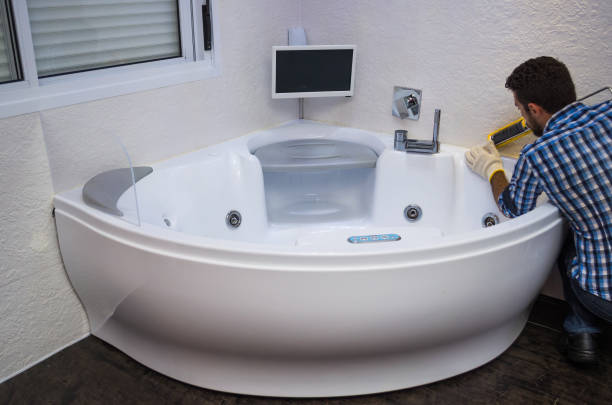
Residential Hot Tub Installation: Expert Advice from Hot Tub Specialists Portland

Generated Image

Installing a residential hot tub is a rewarding investment that enhances both lifestyle and property value. For homeowners in Portland, the unique climate and local building codes demand a thoughtful approach. By following expert guidance, drawn from years of specialized experience, homeowners can avoid common pitfalls, ensure optimal performance, and enjoy a safe, relaxing oasis for years to come.

Understanding Local Requirements

Portland’s weather patterns, seismic activity, and municipal regulations create a distinct set of considerations. Before any physical work begins, it’s essential to verify the following:

  • Permits and zoning: Most residential hot tub installations require a building permit. Check the City of Portland’s online portal or contact the local building department.
  • Electrical compliance: The National Electrical Code (NEC) mandates a dedicated circuit and GFCI protection. A licensed electrician must certify the installation.
  • Structural load: Verify that the deck or patio can support the combined weight of the tub, water, and occupants. Reinforcement may be necessary.

For a detailed checklist of Portland-specific requirements, Discover expert strategies here.

Site Selection and Preparation

Choosing the Ideal Location

The location of a hot tub influences energy efficiency, privacy, and overall enjoyment. Consider these factors:

  • Sun exposure: A spot with morning sun and afternoon shade reduces heating costs.
  • Privacy: Position the tub away from street view or use landscaping screens.
  • Accessibility: Ensure easy access for delivery, maintenance, and emergency egress.
  • Proximity to utilities: Keep the tub within reasonable distance of water and electrical sources.

Preparing the Base

A stable, level base prevents vibration, leaks, and premature wear. Common base options include:

  • Concrete slab: The most durable choice; must be cured for at least 28 days.
  • Prefabricated deck pads: Lightweight, easy to install, suitable for above-ground tubs.
  • Reinforced pavers: Provide an attractive finish while meeting load requirements.

Guidance on selecting the right foundation can be found by Learn about our tailored solutions.

Plumbing and Electrical Integration

Water Supply and Drainage

Efficient water management is critical for both performance and environmental responsibility. Follow these steps:

  • Install a dedicated shut-off valve to control water flow.
  • Use PVC or CPVC piping rated for hot water temperatures.
  • Incorporate a proper drainage line that complies with local code, preferably leading to a floor drain or outdoor runoff area.

Electrical Wiring Best Practices

Hot tubs are high-power devices that demand strict adherence to safety standards:

  • Run a 240-volt, 50-amp circuit with a double-pole breaker.
  • Install a GFCI breaker at the main panel and a local GFCI disconnect near the tub.
  • Use marine-grade, UV-resistant wiring for any outdoor runs.
  • Seal all conduit penetrations to prevent moisture intrusion.

For a comprehensive electrical guide, Explore advanced guides and tips.

Installation Process Overview

Once the site, plumbing, and electrical work are approved, the physical installation proceeds in a logical sequence:

  1. Position the tub: Carefully lower the unit onto the prepared base, ensuring it sits level.
  2. Connect plumbing: Attach inlet and outlet lines, verify fittings are tight, and pressure-test for leaks.
  3. Wire the control system: Connect the control panel, pumps, and heaters according to the manufacturer’s schematic.
  4. Fill and balance: Fill the tub with water, check for proper flow, and adjust chemical levels.
  5. Test run: Power up the system, run each component, and confirm that all safety features engage correctly.

Professional installers often reference a step-by-step manual; a useful resource is available at Find out more about this approach.

Maintenance Considerations

Long-term enjoyment hinges on regular upkeep. Key maintenance tasks include:

  • Water chemistry: Test pH, alkalinity, and sanitizer levels at least twice weekly.
  • Filter cleaning: Rinse or replace filters every 4-6 weeks, depending on usage.
  • Cover care: Keep the cover clean and dry; replace cushions that show wear.
  • Seasonal preparation: In Portland’s colder months, consider a freeze-protect kit or winterization protocol.

For detailed maintenance schedules, Explore advanced guides and tips again provides valuable insight.

Choosing the Right Hot Tub Model

Portland residents benefit from models that balance energy efficiency with robust construction. Look for features such as:

  • Full-foam insulation to reduce heat loss.
  • Energy-star rated pumps and heaters.
  • Corrosion-resistant cabinet materials suited for humid climates.
  • Advanced control panels with remote access.

Specialists often recommend consulting a curated selection of models; more information can be found by Learn about our tailored solutions.

Final Thoughts

Residential hot tub installation in Portland is a multi-disciplinary project that blends design aesthetics, engineering precision, and local compliance. By adhering to the outlined steps, securing permits, selecting an appropriate site, preparing a solid base, integrating plumbing and electrical systems correctly, and committing to ongoing maintenance, homeowners can create a reliable, luxurious retreat. Leveraging the expertise of seasoned hot-tub specialists ensures that every detail aligns with best practices, delivering peace of mind and lasting enjoyment.

Patio Hot Tub Installation in Portland – Affordable Hot Tubs Guide

Generated Image

Adding a hot tub to a patio can transform an outdoor space into a year-round retreat, offering relaxation, therapeutic benefits, and added property value. In Portland’s climate, where rainy days are common and winters are cool, a well-installed patio hot tub provides a comfortable oasis that can be enjoyed regardless of the weather. This guide outlines the essential steps, considerations, and cost-saving tips for installing a hot tub on a patio, helping homeowners make informed decisions while staying within budget.

Planning the Installation

Assessing Space and Layout

  • Measure the available patio area, allowing at least 3 feet of clearance on all sides for safe access and maintenance.
  • Consider the view, sunlight exposure, and proximity to the house to maximize comfort and energy efficiency.
  • Check local zoning regulations and homeowner association rules that may dictate placement or size limits.

Choosing the Right Hot Tub Size

  • Two-person models are ideal for smaller patios, typically ranging from 4 to 6 feet in diameter.
  • Four- to six-person tubs require a minimum of 8-10 feet of clear space.
  • Opt for a rectangular shape if the patio is longer than it is wide; a circular model fits better in square or round spaces.

Power and Water Supply Considerations

  • Locate a dedicated 240-volt circuit near the installation site; a licensed electrician should install a GFCI-protected breaker.
  • Plan for a nearby water source for filling and draining; a shut-off valve and proper drainage slope are essential.
  • Review local building codes for required permits and inspections.

For detailed code requirements in Oregon, Read more about this topic.

Preparing the Patio Surface

Evaluating Load-Bearing Capacity

  • Concrete slabs should be at least 4 inches thick with a compressive strength of 3,000 psi.
  • Decks must be reinforced with joists spaced no more than 16 inches apart and capable of supporting 100 pounds per square foot.
  • If the existing surface is insufficient, consider adding a reinforced pad or a purpose-built platform.

Waterproofing and Drainage

  • Apply a waterproof membrane beneath the tub to prevent moisture migration into the patio structure.
  • Install a slight slope (1-2%) away from the tub to direct any overflow toward a drainage system.
  • Use a French drain or surface drain if the patio is prone to pooling water.

To explore best practices for waterproofing, Learn more in this detailed guide.

Installation Steps

Positioning the Hot Tub

  1. Unpack the tub and place it on a protective blanket to avoid scratches.
  2. Center the unit on the prepared surface, ensuring the recommended clearances are met.
  3. Mark the location of the electrical panel and water connections before final placement.

Connecting Electrical and Plumbing

  1. Hire a licensed electrician to run the dedicated circuit, attach the control box, and test for proper grounding.
  2. Connect the water inlet and outlet hoses, securing them with hose clamps.
  3. Install a pressure-relief valve and a backflow preventer as required by local codes.

Testing and Calibration

  • Fill the tub with water to the recommended level; check for leaks around the pump and heater connections.
  • Power on the system and verify that all jets, lights, and temperature controls operate correctly.
  • Run the tub for at least 30 minutes to allow the heater to reach the set temperature and to confirm stable operation.

For a step-by-step walkthrough of the electrical setup, Explore further insights here.

Cost-Effective Tips

  • Choose a standard-size model rather than a custom design; standard dimensions reduce manufacturing and shipping costs.
  • Purchase a tub during off-season sales (late fall or winter) when retailers often offer discounts.
  • Consider a DIY installation for the patio pad if you have construction experience; hire professionals only for electrical work.
  • Use energy-efficient covers and programmable thermostats to lower operating expenses.
  • Maintain proper water chemistry to extend the life of the heater, pump, and plumbing components.

For additional budgeting strategies, Find additional information here.

Maintenance and Longevity

Regular Cleaning Routine

  • Drain and refill the tub every 3-4 months, depending on usage frequency.
  • Clean the filter cartridge weekly and replace it annually.
  • Wipe down the shell with a non-abrasive cleaner to prevent scale buildup.

Seasonal Care for Portland Weather

  • During winter, keep the cover securely fastened and use a floating insulation blanket if the tub is left uncovered.
  • Monitor water temperature to prevent freezing of the plumbing lines.
  • Inspect the electrical components after heavy rain or storms for any signs of moisture intrusion.

For a comprehensive maintenance schedule, Read more about this topic.

Conclusion

Installing a patio hot tub in Portland combines thoughtful planning, proper surface preparation, and adherence to local codes to create a lasting outdoor sanctuary. By evaluating space, ensuring a sturdy foundation, and following systematic installation steps, homeowners can achieve a high-quality setup without overspending. Ongoing maintenance and energy-saving practices will preserve the tub’s performance for years, delivering consistent relaxation and health benefits throughout the Pacific Northwest’s varied climate.

How to Choose the Best Dental Veneers in Clark or Near Me Today

Generated Image

Choosing the right dental veneers can dramatically improve a smile, but the decision involves more than just aesthetics. Patients in Clark and surrounding areas need to weigh factors such as material durability, the expertise of the practitioner, and the overall treatment plan to ensure lasting results. This guide breaks down the essential considerations, helping anyone looking for dental veneers in Clark or near me make an informed choice that aligns with both budget and expectations.

Understanding Dental Veneer Options

Veneers are thin shells placed over the front surface of teeth to correct discoloration, chips, gaps, or misalignment. The two most common types are:

Porcelain Veneers

  • Highly translucent, mimicking natural tooth enamel.
  • Resistant to staining and can last 10-15 years with proper care.
  • Typically require minimal tooth reduction.

Composite Resin Veneers

  • Built directly on the tooth using a tooth-colored resin.
  • More affordable upfront, but may need replacement sooner.
  • Can be repaired quickly if chipped.

Key Criteria for Selecting the Best Provider

When searching for a qualified professional, focus on the following elements to ensure high-quality results.

  • Credentials and Experience: Look for dentists with specialized training in cosmetic dentistry and a portfolio of veneer cases.
  • Technology and Materials: Modern digital imaging, CAD/CAM design, and reputable veneer manufacturers contribute to precision and longevity.
  • Patient Reviews and Before-After Galleries: Real-world outcomes give insight into consistency and aesthetic style.
  • Consultation Process: A thorough evaluation should include shade selection, mock-up previews, and a discussion of potential risks.

Assessing Material Quality and Longevity

Material choice directly influences durability and appearance. Consider these factors:

  • Thickness: Thinner veneers preserve more natural tooth structure, while slightly thicker options may be needed for extensive damage.
  • Bonding Agents: High-quality adhesives improve veneer retention and reduce sensitivity.
  • Manufacturer Reputation: Brands with proven clinical studies often provide better color stability.

Cost Considerations and Financing Options

Veneer pricing varies based on material, dentist expertise, and geographic location. While porcelain veneers are generally more expensive, they often offer better long-term value. To manage costs:

  • Request a detailed treatment plan with itemized fees.
  • Explore dental financing programs or flexible payment plans.
  • Check if dental insurance covers any portion of cosmetic procedures (rare but possible for restorative aspects).

Preparing for Your Veneer Appointment

Proper preparation can streamline the process and improve outcomes. Follow these steps before your first visit:

  • Maintain excellent oral hygiene, brush, floss, and schedule a professional cleaning.
  • Gather any relevant dental records or X-rays from previous providers.
  • Make a list of aesthetic goals (e.g., brighter smile, closed gaps) and any concerns about sensitivity.
  • Consider a trial smile using temporary mock-ups, which many clinics offer.

Aftercare and Maintenance

Long-lasting veneers require consistent care. Adopt these habits to protect your investment:

  • Use a non-abrasive toothpaste and a soft-bristled toothbrush.
  • Avoid biting directly into hard foods such as ice or popcorn kernels.
  • Schedule regular dental check-ups to monitor veneer integrity.
  • Limit staining agents, coffee, red wine, and tobacco can affect porcelain over time.

Local Resources and Finding a Trusted Specialist

Clark offers several reputable cosmetic dentistry practices. When searching for “dental veneers in Clark or near me,” prioritize clinics that:

  • Display clear before-and-after photos of local patients.
  • Offer a comprehensive consultation without pressure to proceed immediately.
  • Maintain transparent pricing and discuss all possible outcomes.

By reviewing online portfolios, reading patient testimonials, and confirming the dentist’s specialization, you can narrow down the best fit for your smile goals.

Final Thoughts

Investing in dental veneers is a personal decision that blends aesthetics, functionality, and financial planning. By understanding the types of veneers, evaluating provider expertise, and committing to diligent aftercare, residents of Clark and neighboring areas can achieve a natural-looking, durable smile. The right choice will not only enhance confidence but also support long-term oral health, making the effort well worth the reward.

Security Company Ontario: Proven Strategies for Crime Prevention

Generated Image

Crime prevention in Ontario requires a blend of technology, community engagement, and strategic planning. By understanding local risk factors, leveraging modern security solutions, and fostering collaboration among law-enforcement agencies, businesses, and residents, it is possible to create safer environments. This article outlines proven strategies that security professionals and stakeholders can adopt to reduce criminal activity, protect assets, and enhance public confidence across the province.

Understanding the Local Threat Landscape

Effective prevention begins with a clear picture of the types of crime that are most prevalent in a given area. In Ontario, common concerns include property theft, vandalism, cyber-intrusions, and violent offenses. Conducting a thorough risk assessment helps identify vulnerable points and prioritize resources.

Key Elements of a Risk Assessment

  • Historical crime data analysis – review police reports and community statistics.
  • Physical site inspection – evaluate lighting, access points, and visibility.
  • Stakeholder interviews – gather insights from employees, residents, and local authorities.
  • Technology audit – assess existing surveillance, alarm systems, and cybersecurity measures.

For a deeper dive into risk assessment methodologies, Read more about this topic.

Physical Security Measures

Physical deterrents remain a cornerstone of crime prevention. When properly designed and maintained, they discourage opportunistic offenders and provide clear evidence for investigations.

Environmental Design (CPTED)

  • Natural Surveillance: Position windows, mirrors, and landscaping to maximize visibility.
  • Territorial Reinforcement: Use signage, fencing, and defined pathways to convey ownership.
  • Access Control: Implement card readers, turnstiles, and secure doors to limit unauthorized entry.

Implementing CPTED principles can be complex; Learn more in this detailed guide.

Technology Integration

  • High-resolution CCTV with analytics for motion detection and facial recognition.
  • Intrusion alarms linked to real-time monitoring centers.
  • Smart lighting that adjusts based on occupancy and ambient conditions.
  • Integrated access control systems that log entry events for audit trails.

To explore the latest advancements in security technology, Explore further insights here.

Cybersecurity Practices for Physical Security Providers

Modern security solutions often rely on networked devices, making them vulnerable to cyber threats. Protecting data integrity and system availability is essential to maintain trust and effectiveness.

Fundamental Cyber Measures

  • Regular firmware updates for cameras, sensors, and control panels.
  • Strong password policies and multi-factor authentication for all user accounts.
  • Network segmentation to isolate security devices from general business traffic.
  • Continuous monitoring for anomalous activity and intrusion attempts.

Guidelines for securing IoT-based security equipment are available at Find additional information here.

Community Engagement and Partnerships

Crime prevention is most effective when it extends beyond the boundaries of a single property. Engaging the surrounding community creates a shared sense of responsibility and amplifies the impact of security measures.

Collaboration Strategies

  • Establish neighborhood watch programs that coordinate with local police.
  • Host regular safety workshops for residents and employees.
  • Share anonymized incident data to help neighbors understand emerging threats.
  • Participate in municipal planning sessions to influence public-space design.

Examples of successful community-based initiatives can be found by Read more about this topic.

Training and Workforce Development

A well-trained security workforce is essential for rapid response and proper use of technology. Ongoing education ensures personnel stay current with evolving tactics and legal requirements.

Core Training Areas

  • De-escalation techniques and conflict resolution.
  • Legal frameworks governing use of force and privacy in Ontario.
  • Technical proficiency with surveillance, alarm, and access control systems.
  • Cyber hygiene and incident reporting protocols.

Professional development resources are regularly updated; Learn more in this detailed guide.

Measuring Effectiveness and Continuous Improvement

Implementing strategies without tracking results can lead to wasted resources. Establishing clear metrics enables organizations to evaluate performance and adjust tactics as needed.

Key Performance Indicators (KPIs)

  • Number of reported incidents before and after implementation.
  • Response time to alarms and security breaches.
  • Employee and resident satisfaction scores regarding safety.
  • System uptime and false-alarm rates for technology solutions.

Regular audits and data analysis help maintain a proactive stance; Explore further insights here.

Conclusion

Reducing crime in Ontario demands a comprehensive approach that blends physical deterrents, advanced technology, cyber resilience, community partnership, and continuous training. By systematically assessing risks, applying proven security measures, and fostering collaboration, stakeholders can create environments that are not only safer but also more resilient to future threats. Ongoing evaluation and adaptation ensure that prevention strategies remain effective in a constantly changing landscape.

How a Professional Recruiting Firm Can Transform Your Workforce

Generated Image

In today’s competitive business environment, securing top talent is no longer a luxury, it is a strategic imperative. Organizations that rely solely on internal hiring processes often encounter delays, skill gaps, and higher turnover rates. Partnering with a professional recruiting firm can streamline talent acquisition, align workforce capabilities with long-term goals, and ultimately enhance overall productivity. This article explores how an experienced recruiting partner can transform a workforce, from sourcing high-quality candidates to fostering a culture of continuous improvement.

Why Engage a Professional Recruiting Firm?

Recruiting firms specialize in three core competencies that directly impact an organization’s talent pipeline:

  • Market Insight: Deep knowledge of industry trends, salary benchmarks, and emerging skill sets.
  • Network Reach: Access to passive candidates who are not actively searching job boards.
  • Process Efficiency: Proven methodologies that reduce time-to-fill and improve candidate quality.

By leveraging these strengths, companies can focus on core business activities while ensuring that critical roles are filled with qualified professionals. Read more about this topic.

Key Benefits of Partnering with a Recruiting Firm

Accelerated Hiring Timelines

Professional recruiters use advanced sourcing tools and pre-screening techniques that cut down the hiring cycle. Typical benefits include:

  • Reduced time-to-offer by up to 50% compared with internal processes.
  • Immediate access to a curated pool of vetted candidates.
  • Streamlined interview coordination, allowing hiring managers to make faster decisions.

Higher Quality Candidates

Recruiting firms employ rigorous assessment frameworks to evaluate both technical competence and cultural fit. This results in:

  • Better alignment with the organization’s values and mission.
  • Lower early-turnover rates, saving costs associated with re-hiring.
  • Enhanced diversity and inclusion through targeted outreach.

Strategic Workforce Planning

Beyond filling immediate vacancies, a recruiting partner can assist with long-term talent strategy. Services often include:

  • Forecasting future skill requirements based on market dynamics.
  • Developing talent pipelines for hard-to-fill roles.
  • Advising on compensation structures that attract and retain top performers.

Learn more in this detailed guide.

How a Recruiting Firm Enhances the Hiring Process

The typical workflow of a professional recruiting firm includes several distinct phases, each designed to add value:

  1. Needs Analysis: Collaboration with hiring managers to define role specifications, required competencies, and success metrics.
  2. Sourcing Strategy: Utilization of databases, social platforms, and industry events to locate both active and passive candidates.
  3. Screening & Assessment: Conducting initial interviews, technical tests, and behavioral evaluations.
  4. Presentation of Candidates: Delivering concise candidate profiles that highlight relevant experience and fit.
  5. Interview Coordination: Managing schedules, feedback loops, and follow-up communications.
  6. Offer Management: Assisting with salary negotiations and onboarding logistics.

This structured approach ensures consistency, reduces bias, and provides a transparent hiring experience for both candidates and employers. Explore further insights here.

Cost Considerations and Return on Investment

While recruiting firms charge fees, typically a percentage of the placed candidate’s first-year salary, the long-term financial benefits often outweigh the upfront expense. Key ROI factors include:

  • Decreased vacancy costs, such as lost productivity and overtime.
  • Reduced turnover expenses stemming from better candidate fit.
  • Improved speed to market for new projects that rely on specialized talent.

When calculated over a year, the cost savings from faster hires and lower attrition can surpass the recruiter’s fee by several multiples. Find additional information here.

Best Practices for Maximizing the Partnership

To fully capitalize on the expertise of a recruiting firm, organizations should adopt the following practices:

  • Clear Communication: Provide detailed job descriptions, preferred qualifications, and cultural nuances.
  • Feedback Loop: Offer timely, constructive feedback on candidate submissions to refine the search.
  • Collaboration: Involve key stakeholders in interview panels to ensure diverse perspectives.
  • Metrics Tracking: Monitor time-to-fill, quality-of-hire, and retention rates to assess the partnership’s effectiveness.

Conclusion

Integrating a professional recruiting firm into the talent acquisition strategy can dramatically transform a workforce. By delivering faster hires, higher-quality candidates, and strategic insights, these partners enable organizations to focus on growth and innovation rather than the mechanics of recruitment. For businesses seeking a competitive edge in talent management, the collaboration offers a proven pathway to building a resilient, high-performing team.

Gutter Guard Company Utah: Customer Reviews and Service Highlights

Generated Image

When homeowners in Utah consider protecting their properties from water damage, the conversation inevitably turns to gutter systems. Properly installed and maintained gutter guards can prevent clogs, reduce maintenance costs, and extend the life of a roof. Over the past few years, a particular gutter guard company utah has gathered a substantial body of customer feedback that highlights both the quality of its service and the reliability of its products. This article examines those reviews, outlines the key service features that set the company apart, and provides practical insights for anyone researching gutter protection solutions in the Intermountain West.

What Customers Are Saying: Overview of Reviews

Online testimonials and third-party rating platforms reveal a consistent pattern of satisfaction. The most frequently mentioned strengths include punctuality, clear communication, and thorough clean-up after work. Below is a snapshot of recurring themes found in recent reviews:

  • Timeliness: Clients repeatedly note that technicians arrive on schedule and complete installations within the promised timeframe.
  • Professionalism: Reviewers appreciate the courteous demeanor of the crew and the willingness to answer questions about gutter filters and maintenance.
  • Quality of Materials: The use of stainless-steel and UV-resistant polymers receives particular praise for durability in Utah’s varied climate.
  • Transparent Pricing: Many customers highlight the absence of hidden fees and the clear, itemized estimates provided before work begins.

Service Highlights That Earn Trust

Comprehensive Site Assessment

Before any installation, a detailed inspection is performed to identify potential problem areas such as sagging gutters, improper pitch, or roof flashings that need reinforcement. This assessment helps the team recommend the most suitable type of guard, whether mesh, bottle-brush, or surface-tension models, based on each property’s unique needs.

Professional gutter guard installation Process

The installation workflow follows industry best practices:

  1. Removal of existing debris and old guard components.
  2. Repair of any damaged gutter sections to ensure a solid mounting surface.
  3. Secure attachment of the guard system using corrosion-resistant fasteners.
  4. Final inspection and a walk-through with the homeowner to demonstrate proper operation.

Experienced gutter guard installers utah

All technicians hold certifications from recognized manufacturers and receive ongoing training on the latest guard technologies. This expertise translates into faster installations and fewer post-service callbacks.

After-Sale Support and Maintenance

Even after the guards are in place, the company offers optional seasonal inspections and cleaning services. These visits ensure that leaf buildup, ice dams, or pest intrusion do not compromise the system’s performance.

Key Benefits of Choosing a Local gutter guard contractors

  • Climate-Specific Solutions: Utah experiences hot, dry summers and heavy snow in winter. The selected guard materials are tested to withstand thermal expansion and freeze-thaw cycles.
  • Local Knowledge: Familiarity with regional building codes and common roof styles (e.g., metal and slate) ensures compliant installations.
  • Quick Response Times: Being based in the state allows for same-day service calls during storm events.
  • Community Reputation: Positive word-of-mouth referrals often outweigh generic online advertising, reflecting genuine trust.

How to Evaluate a Potential Provider

When searching for “gutter installation near me,” consider the following checklist to separate reputable firms from less reliable options:

  1. Licensing and Insurance: Verify that the contractor holds a valid Utah contractor’s license and general liability coverage.
  2. Portfolio of Completed Projects: Ask for before-and-after photos of recent installations, especially on homes similar to yours.
  3. Warranty Terms: Look for at least a 10-year warranty on both the guard material and the workmanship.
  4. Customer Feedback: Review multiple sources, Google, Yelp, and industry forums, to gauge overall satisfaction.

Typical Cost Structure for Gutter Guard Projects

While pricing varies by house size and guard type, most homeowners report the following range after accounting for discounts and bundled services:

  • Basic mesh system: $4-$6 per linear foot.
  • Premium surface-tension guards: $7-$10 per linear foot.
  • Full-service package (assessment, installation, first-year maintenance): adds roughly 15″?% to material cost.

Transparent estimates are usually delivered in a PDF format, breaking down labor, materials, and any optional upgrades.

Conclusion: Why the Reviews Matter

The collective voice of Utah homeowners paints a clear picture: reliable gutter guard installation hinges on professionalism, material quality, and responsive after-care. The consistent positive feedback for this particular gutter guard company utah demonstrates that it has earned trust through tangible results rather than marketing hype. For anyone weighing the investment in gutter protection, reviewing real customer experiences and confirming the service highlights outlined above can help make an informed decision that safeguards both property and peace of mind.

How to Choose the Best dpf specialist for Your Truck Today

Generated Image

Choosing the right DPF (Diesel Particulate Filter) specialist for a truck can be the difference between prolonged engine life and costly downtime. With a growing number of service providers, it is essential to evaluate expertise, equipment, and service guarantees before committing. This guide walks through the critical factors that help fleet managers and independent owners identify a specialist who delivers reliable results, compliance with emission standards, and minimal disruption to operations.

Understand the Core Services Offered

Not every shop handles DPF issues the same way. Knowing the range of services helps narrow down candidates.

  • DPF Cleaning: Mechanical or ultrasonic cleaning that restores filter efficiency without removal.
  • DPF Replacement: Installation of new filters when cleaning is no longer viable.
  • DPF Delete: Complete removal of the filter for applications where emissions compliance is not required.
  • Diagnostic Testing: Use of OEM-level scan tools to pinpoint clogging, sensor failures, or regeneration problems.

For a deeper look at specialized services, Discover expert strategies here.

Key Qualifications to Verify

Technical Certifications

Certifications from manufacturers (e.g., Bosch, Cummins) or recognized automotive bodies demonstrate that technicians have undergone rigorous training.

  • OEM-approved training records.
  • ASE or equivalent automotive service certifications.
  • Specific DPF handling and emission compliance courses.

Equipment and Facilities

State-of-the-art equipment reduces the risk of damage and improves turnaround time.

  • Ultrasonic cleaning chambers capable of handling large truck-size filters.
  • On-site regeneration rigs for real-time testing.
  • Dedicated workshop space that meets health and safety standards.

Assess Reputation and Track Record

Reputation is built on consistent performance and transparent communication. Use the following methods to gauge reliability:

  • Read verified customer reviews on industry forums and Google Business profiles.
  • Request case studies or reference contacts from recent truck fleet projects.
  • Check for any history of regulatory violations related to emissions work.

To explore how a reputable provider structures its solutions, Learn about our tailored solutions.

Pricing Structure and Guarantees

Transparent pricing helps avoid unexpected expenses. Look for specialists who provide clear breakdowns and written guarantees.

  • Flat-rate fees for cleaning versus hourly labor charges for replacement.
  • Warranty coverage on workmanship (typically 12-24 months).
  • Performance guarantees that include post-service emission test results.

For an example of a service that includes comprehensive guarantees, Explore advanced guides and tips.

Convenience and Support

Fleet operators value minimal downtime. Evaluate the following logistical aspects:

  • Mobile service units that can perform on-site cleaning or diagnostics.
  • Flexible scheduling, including after-hours or weekend appointments.
  • Dedicated support lines for rapid response to emergencies.

Additional insights on service flexibility can be found by Find out more about this approach.

Compliance with Environmental Regulations

DPF work must align with local and EU emission standards. Confirm that the specialist:

  • Maintains up-to-date knowledge of Euro VI and other relevant regulations.
  • Provides documentation confirming compliance after each service.
  • Uses approved cleaning agents and disposal methods for filter waste.

Final Checklist Before Commitment

Use this concise checklist to ensure no critical factor is overlooked:

  1. Verify certifications and technician training.
  2. Confirm the availability of appropriate cleaning or replacement equipment.
  3. Review client testimonials and request references.
  4. Obtain a detailed, written estimate with warranty terms.
  5. Assess mobile service options and scheduling flexibility.
  6. Ensure the provider follows all relevant emissions regulations.

By systematically evaluating each of these areas, truck owners and fleet managers can select a DPF specialist who delivers high-quality results, protects engine health, and keeps vehicles on the road longer. The right partner not only resolves current filter issues but also offers preventive strategies that reduce future maintenance costs.